
Why focus on informality and dual VET?
Across many countries, the informal economy is the dominant reality of work — employing over 60% of the global labour force and more than 80% of workers in low- and middle-income countries. For millions of youth, women, migrants, and marginalised groups, skills are acquired informally, mainly through:
- Traditional apprenticeships
- On‑the‑job learning
These systems are deeply rooted, socially embedded, and often highly effective in linking young people to income opportunities. Yet, they are also unstructured, uncertified, and poorly connected to lifelong learning pathways. As a result, workers remain stuck in a cycle of low skills → low productivity → low income, limiting social and labour‑market mobility and reinforcing vulnerability across generations.
Dual VET offers a pragmatic, high‑leverage approach: It builds on what already works in informal systems while introducing recognition, structure, learning quality, and inclusiveness – without imposing full formalisation.

Why dual VET matters
Dual VET-inspired approaches can help:
- Upgrade the quality of traditional apprenticeships and on‑the‑job learning
- Recognise skills formally through trade tests, RPL and modular certification
- Strengthen business associations and local intermediary organisations
- Improve working conditions and inclusion, especially for women and vulnerable groups
- Introduce theory-based learning, delivered flexibly through VET schools, mobile units, or cluster-based solutions
- Modernise training with digital and green skills needed for emerging labour markets
- Increase incomes and productivity for youth and micro‑enterprises
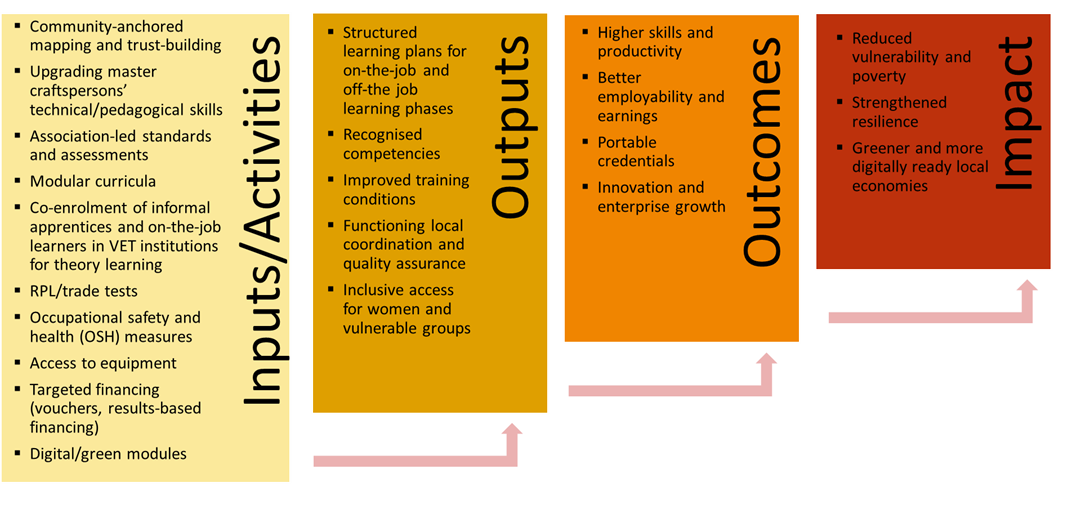
The theory of change of upgrading informal skills development through dual VET approaches
What we know works
Key messages:
- Start with what exists: Traditional apprenticeship systems are systems – socially embedded, scalable, and effective. Upgrading them must respect local logics.
- Strengthen master craftspersons: Technical, pedagogical, and coaching capacities are the foundation of quality.
- Institutionalise recognition (RPL, trade tests, modular certificates): Recognition increases mobility, status, earnings, and opportunities.
- Leverage intermediary organisations: Craft associations, cooperatives, chambers, and informal worker groups are essential mediators.
- Keep governance “light but clear”: Simple agreements, transparent learning outcomes, and manageable quality mechanisms work best.
- Invest in inclusion: Childcare, safe transport, flexible schedules, literacy bridges, role models, and gender‑sensitive pedagogy are central.
- Modernise for digital & green transitions: Informal workers need access to future‑oriented skills via mobile learning, micro‑credentials, or community hubs.
Key DC dVET resources on informality and dual VET
DC dVET Discussion Note – Dual VET and Informality: Upgrading informal skills development to break the cycle of low-skills, low-productivity, and low-income
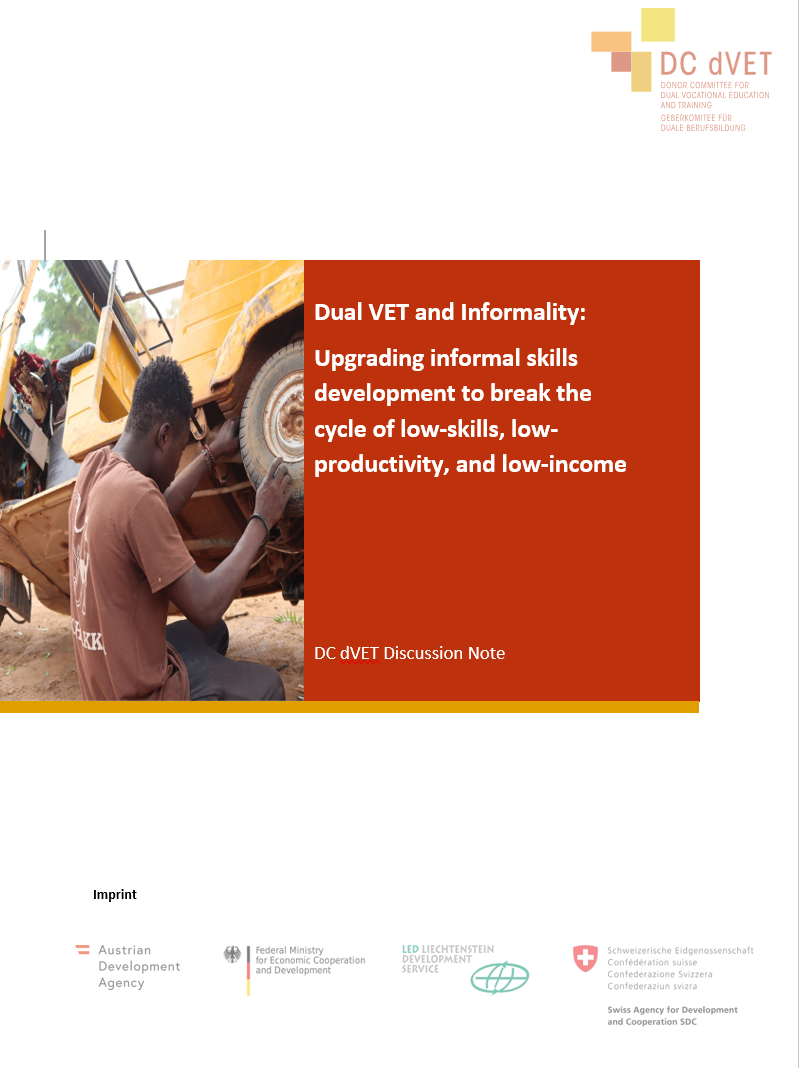
This study provides the conceptual backbone for the topic and outlines four strategic levers for upgrading informal skills development:
- Engaging the informal private sector
- Bridging formal VET and informality
- Promoting good conditions (decent work)
- Modernising skills development for 21st‑century economies
It also integrates practical case studies from Benin, Burkina Faso, Côte d’Ivoire, Ghana, Tanzania, India, Argentina and others.
DC dVET Policy Brief: “Organising and Upgrading Skills Development in and for the Informal Economy through Dual VET”
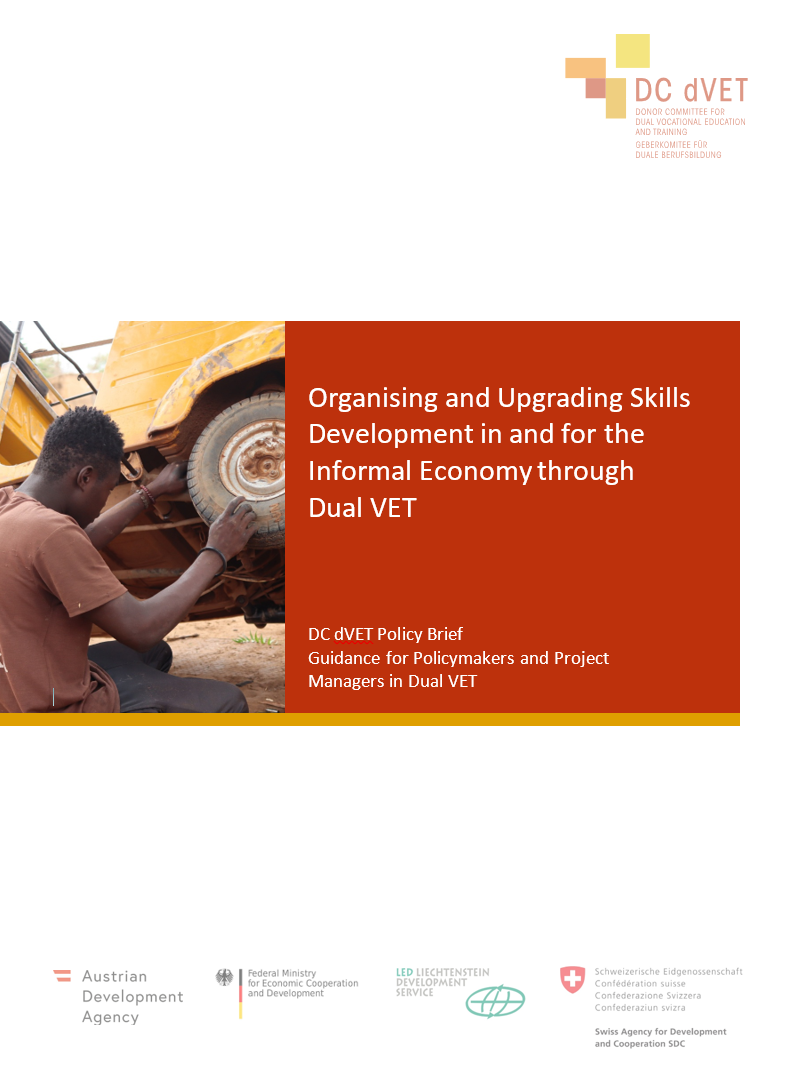
The policy brief synthesises insights from the study, the BarCamp series, and exchanges with practitioners across multiple regions. It provides:
- A compelling rationale for organising, not formalising, informal skills development
- Guiding principles, policy considerations (RPL, modular curricula, trainer upgrading, financing pathways), and risks
- References to dual VET approaches in high-informality contexts
Four BarCamp Sessions on “Dual VET and Informality”
Between April 2025 and February 2026 DC dVET conducted a series of interactive online BarCamps. These interactive sessions explored challenges, solutions, and case studies from across the globe, as well as provided practitioner insights and cross-country learning. A Community of Interest (COI) represented by the GIZ, Helvetas, Swisscontact, Welthungerhilfe and WIEGO. Each BarCamp provided a keynote input or a panel discussion to lay the foundation for the subsequent interactive exchange sessions, where participants could bring in their experiences and discuss them with the panellists and other participants.
Dive deeper into the topics of the BarCamps and find additional resources by clicking on the boxes below:
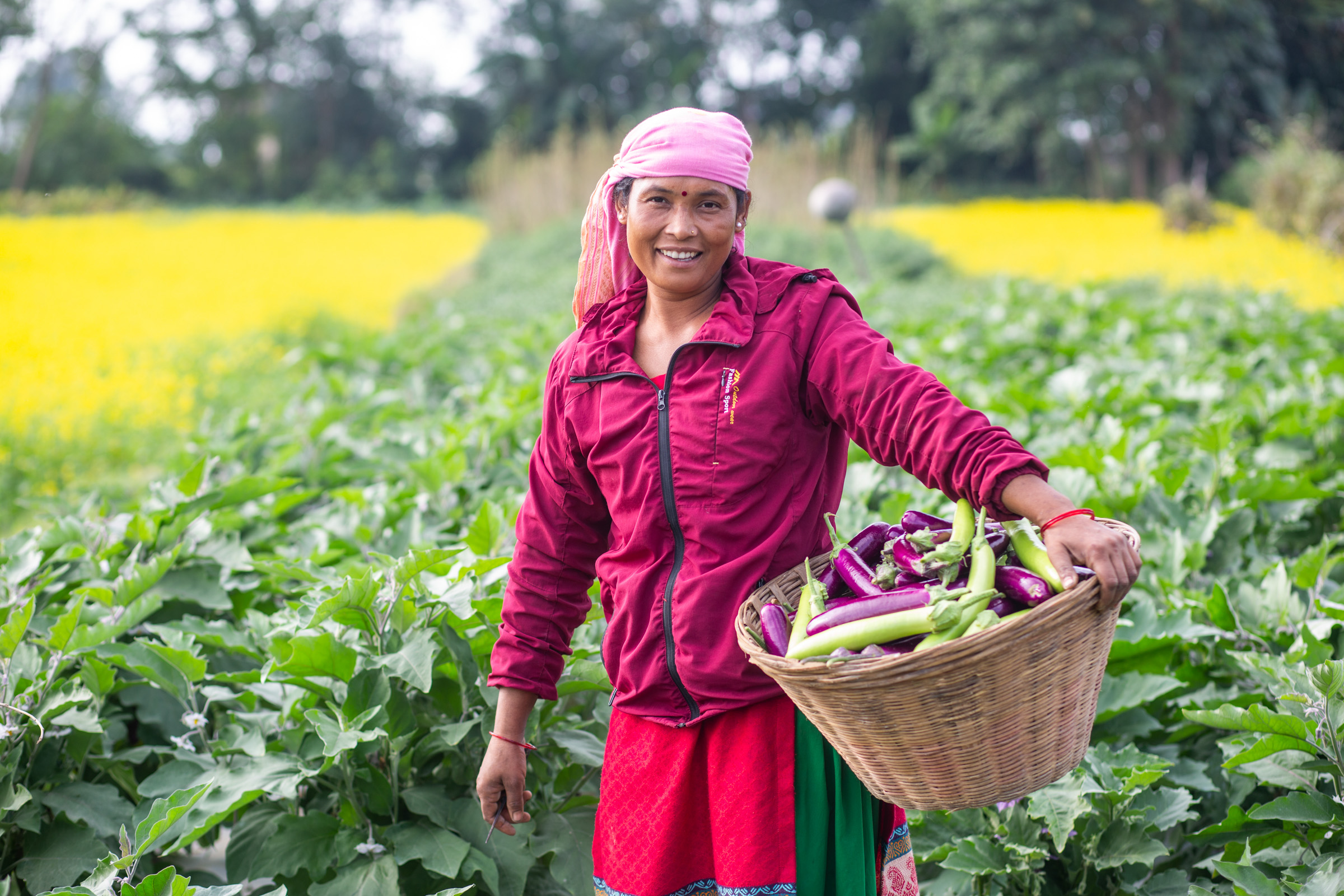
Empowering the informal workforce: skills for decent jobs though (dualized) VET
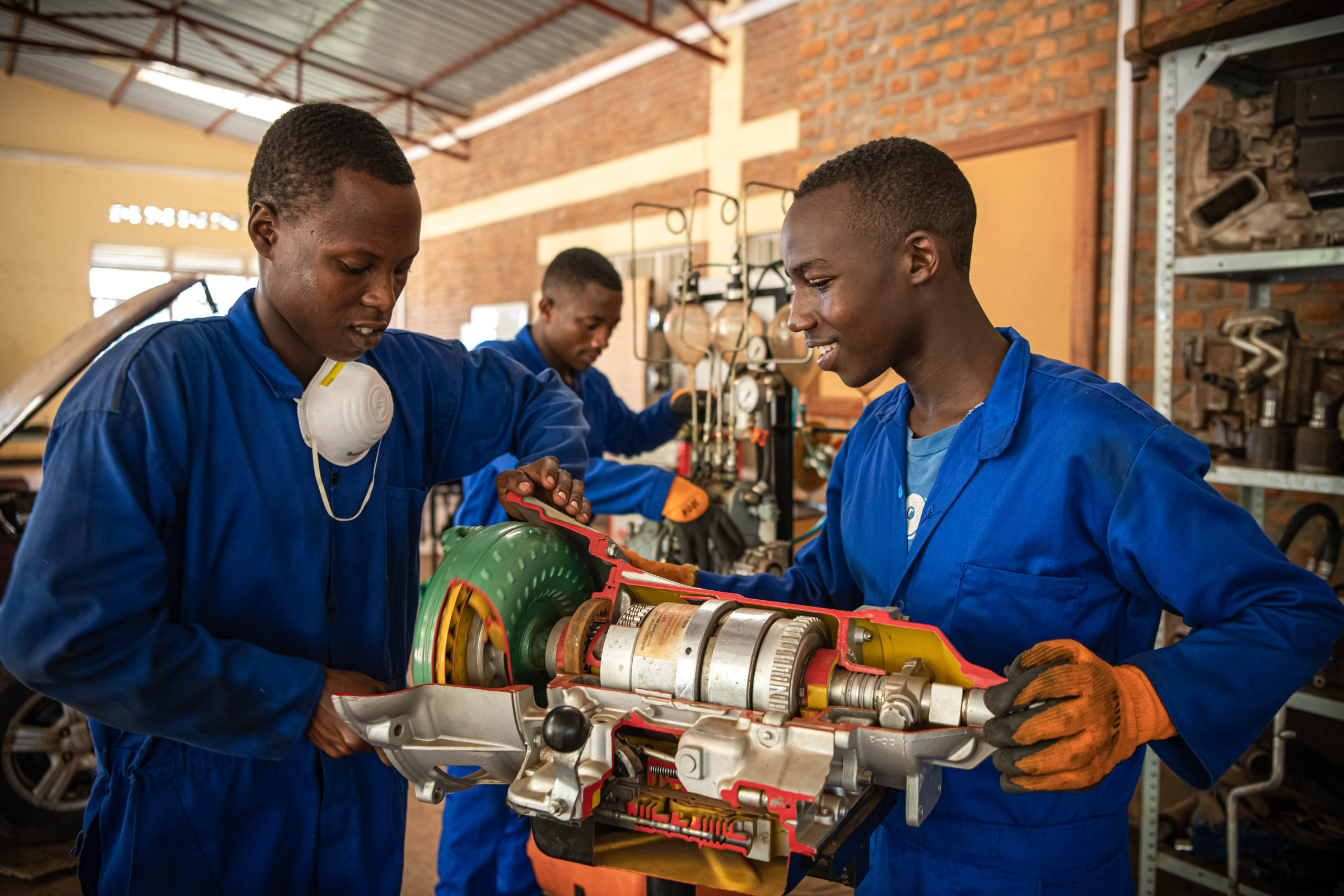
Building bridges in skills development: Non-formal TVET for inclusive growth
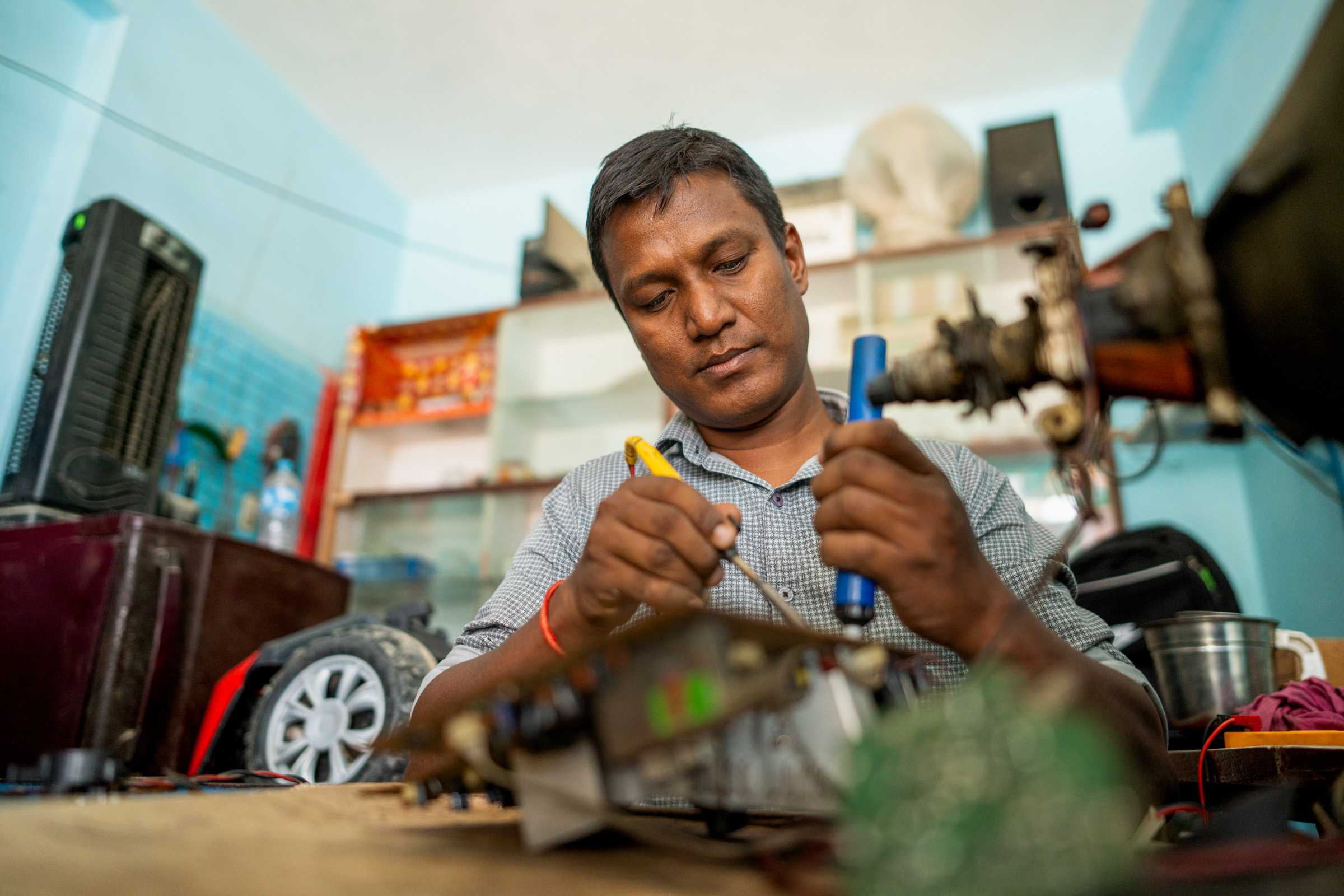
Engaging informal companies in dual VET
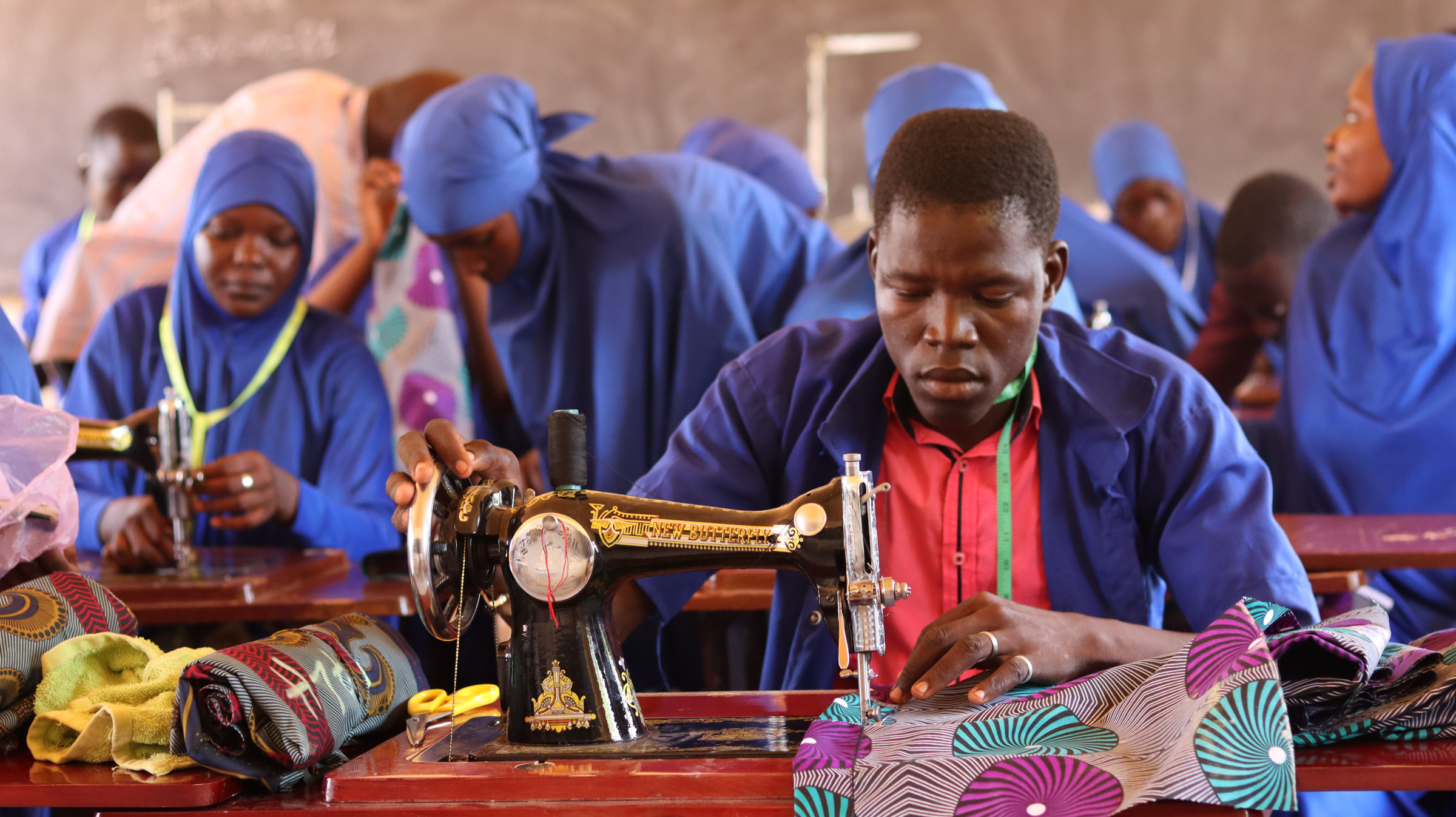
Building Resilient Funding Models for Dual VET in Informal Economies towards quality and transitions
Further relevant DC dVET publications
Formal and Informal VET in Sub-Sahara Africa: Overview, Perspectives and the Role of Dual VET
Overview paper with general information about VET in the region, the relationship between formal and informal economy, formal and informal apprenticeships as well as options to improve the VET systems.

Version française:
Formation professionelle formelle et informelle en Afrique sub-saharienne
Practical guide for private sector involvement in dual vocational education and training in West Africa
This guide offers a simple and effective method for developing dual vocational training in West Africa. It helps identify key actors, strengthen partnerships with companies, enhance their capacities, and ensure sustainable financing. The objective: to create training programmes grounded in real labour‑market needs and to promote young people’s transition into employment.
Version française:
Guide pratique pour l’implication du secteur privé dans la formation professionnelle de type dual
Further resources and important links
- Akoojee & Werquin (2026). ILO Think Piece on Informal Apprenticeships
- Arvil, A., de Silva, S., and Razmara, S. (2019). Improving Skills Development in the Informal Sector. World Bank.
- GIZ (2020). Toolkit: Learning and working in the informal economy
- ILO (2012). Upgrading Informal Apprenticeship – Resource Guide
- ILO Recommendation 204 (Transition from Informal to Formal Economy)
- ILO Recommendation 208 (Quality Apprenticeships)
- Further ILO Resources on informality
- Hofmann et al. (2022) Strengthening Informal Apprenticeships (ILO Working Paper)
- SDC: Vocational skills development and vocational education training systems
- Werquin, P. (2021). Guiding Note on Informal Apprenticeship: Organise Without Formalising.
- WIEGO | Women in Informal Employment Globalizing & Organizing